





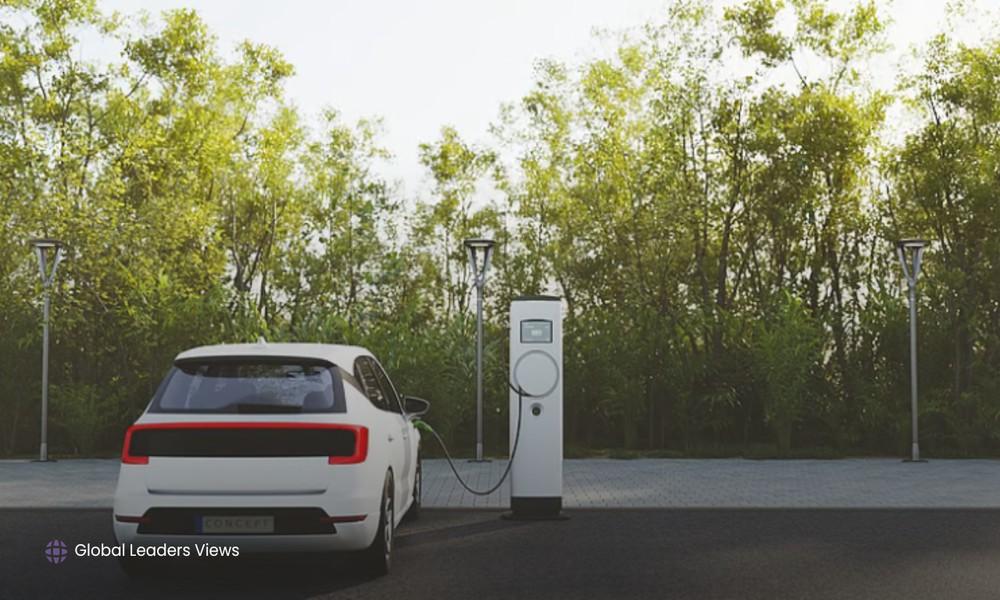
The electric vehicle prices (EV) market has experienced a significant shift, with a notable decline in electric vehicle prices throughout 2024 and into 2025. This trend is paving the way for greater affordability and accessibility, encouraging more consumers to transition to sustainable transportation.
Key Drivers of Price Decline
The drop in electric vehicle prices can be attributed to several factors:
- Advancements in Battery Technology: The cost of lithium-ion batteries, the most expensive component of EVs, has decreased due to innovations in battery chemistry and manufacturing processes. Solid-state batteries, which are more efficient and cheaper to produce, are also starting to enter the market.
- Increased Production Scale: Automakers are ramping up production to meet rising demand. This scaling has allowed for economies of scale, reducing the overall cost of EVs. Companies like Tesla, BYD, and Volkswagen have led the charge in mass production.
- Government Incentives: Governments worldwide have introduced subsidies, tax credits, and incentives to make EVs more affordable. For instance, many regions now offer rebates on EV purchases and incentives for installing home charging stations.
- Competition in the Market: The surge in EV manufacturers, including startups and established automakers, has intensified competition. This has forced companies to price their models more competitively, benefiting consumers.
Impact on Consumer Choices
With prices becoming more comparable to internal combustion engine (ICE) vehicles, consumers are increasingly considering EVs as viable alternatives. Entry-level EVs, like the Nissan Leaf and Renault Zoe, are now within reach for middle-income buyers, while luxury EVs like the Tesla Model 3 and Audi e-tron are more competitively priced.
Challenges and Opportunities
Despite the positive trend, challenges remain. Some EV models, such as the Fisker Ocean, have faced technical issues and delivery delays, highlighting the importance of quality assurance. Additionally, the expansion of charging infrastructure is critical to support the growing number of EVs on the road.
The Next Evolution of the EV Market Begins
As electric vehicle prices continue to drop globally, a new age in the electric vehicle industry is emerging, marking a significant turning point for widespread adoption. What originally appeared to be a high-end, cutting-edge technology is quickly becoming available to regular people. Electric vehicle prices are now more affordable thanks to declining battery prices, increased production capacity, and improved energy ecosystems. Owning a clean, intelligent, and connected car is becoming the new norm as automakers increase production and improve energy-efficient designs.
Innovation and Affordability Come Together
Long-standing hurdles related to cost, performance, and dependability are being broken by the price reduction, which is changing consumer perception. Industry experts estimate that by 2030, electric cars may be less expensive to purchase than conventional fuel-powered vehicles, not simply to maintain. First-time EV customers, young professionals, and environmentally aware families are becoming more interested as a result of this change since they now view electric transportation as both technologically fascinating and financially feasible. EVs are becoming better road companions thanks to the integration of sophisticated AI-driven diagnostics, extremely efficient battery chemistries, and seamless charging networks. These technologies can learn user behaviors and optimize energy use in real time.
Read our latest article.
A Future in Which EVs Rule
The world is getting closer to a transportation ecosystem characterized by sustainable, autonomous, and linked mobility as costs decline and innovation grows. It is anticipated that future cities would move toward self-charging roads, EV-only areas, and grid-responsive cars that facilitate the storage of renewable energy. This event signifies a cultural change in people’s perceptions of transportation rather than just a market trend. The widespread adoption of electric vehicles seems not only feasible but also inevitable, as cost is no longer a constraint. A future where intelligent technology and clean energy coexist on every road is being sparked by the drop in electric vehicle pricing.
A Greener Future
The decline in electric vehicle prices marks a turning point for the automotive industry. With affordability no longer a major barrier, the adoption of electric vehicles is expected to accelerate, contributing to reduced carbon emissions and a more sustainable future for transportation. Automakers and governments must continue working together to sustain this momentum and address the challenges ahead.
Visit Latest Interviews
- Pam Northrup: The Visionary Leadership Reshaping the Future of Education
- Dr. Maxim Behar: Building the Future of Communications Through Trust, Innovation, and Human Connection
- Darren Crouch: Redefining Legacy Through Sustainable Innovation and the Future of Green Funerals
- Jessica Dandridge-Smith: Building Stronger Communities Through Climate Leadership
- Global Leaders Views: A Global Business Magazine for Leaders and Visionaries
















Leave a comment