





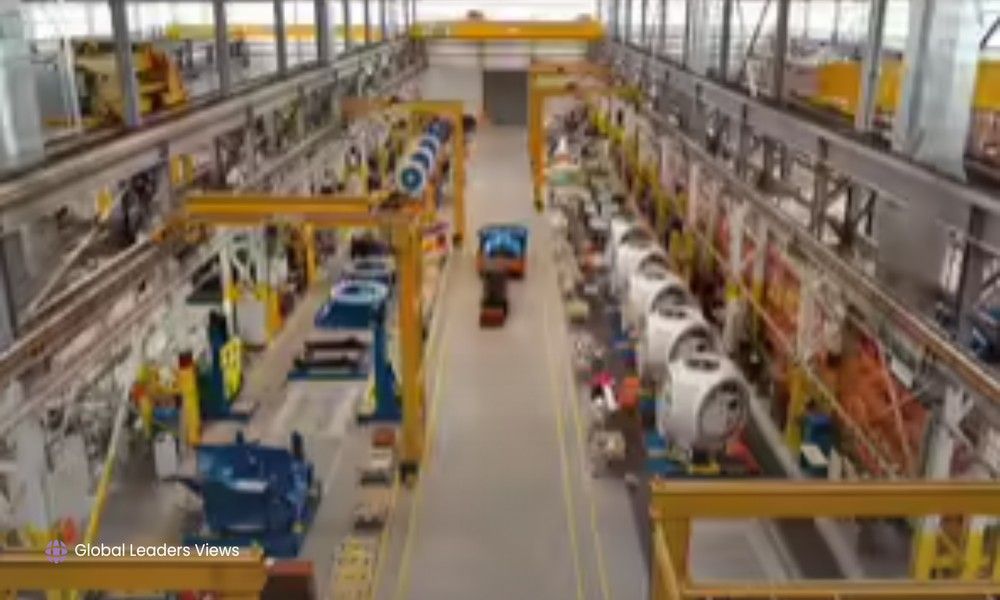
Indian manufacturing, often referred to as the world’s next big manufacturing hub, faces significant challenges in realizing its full potential. Despite government initiatives like Make in India, the manufacturing sector continues to grapple with structural inefficiencies, global competition, and infrastructural bottlenecks. These challenges must be addressed to position India as a global manufacturing powerhouse.
Key Challenges in India’s Manufacturing Sector
1. Infrastructure Gaps
- Poor logistics and inadequate transportation networks increase production and supply chain costs.
- Frequent power outages and limited energy infrastructure hinder consistent manufacturing operations.
2. Skilled Labor Shortage
- While India boasts a large workforce, there is a lack of trained and skilled labor to operate advanced Production equipment.
- The gap between academic training and industry requirements exacerbates the issue.
3. Complex Regulatory Environment
- Lengthy bureaucratic procedures and a maze of regulatory compliance requirements discourage investment.
- Despite progress in improving ease of doing business, red tape remains a challenge for many manufacturers.
4. High Cost of Capital
- Manufacturers often face difficulty accessing affordable financing, especially small and medium enterprises (SMEs).
- High-interest rates further increase production costs, reducing competitiveness.
5. Global Competition
- India faces stiff competition from established manufacturing hubs like China, Vietnam, and Thailand, which offer lower costs and better efficiency.
- A lack of innovation and lower adoption of advanced technologies put Indian manufacturers at a disadvantage.
6. Trade Policy Uncertainty
- Frequent changes in import-export policies and tariffs create uncertainty for businesses relying on global trade.
- Dependence on imported raw materials makes manufacturers vulnerable to global price fluctuations.
Addressing the Challenges
To overcome these roadblocks, India must focus on:
Infrastructure Development: Investments in modern logistics, energy supply, and transportation networks can improve efficiency.
Skill Development: Collaboration between industries and educational institutions is essential to bridge the skills gap.
Simplifying Regulations: Continued reforms to make the regulatory environment more transparent and business-friendly will attract investment.
Technological Adoption: Embracing automation, robotics, and Industry 4.0 technologies can improve productivity and reduce costs.
Boosting Exports: Encouraging export-oriented policies and trade agreements can enhance India’s global competitiveness.
overcoming the obstacles: India’s current manufacturing
The industrial sector in India is currently at a turning point. Even while the nation’s industrial growth has advanced, it nevertheless faces enduring issues such supply chain bottlenecks, aging infrastructure, and growing operating costs. Due to a lack of skilled workers and restricted access to cutting-edge technologies, small and medium-sized businesses frequently find it difficult to compete with multinational corporations. These obstacles jeopardize India’s ambition to become a global center for manufacturing as well as productivity.
Digital transformation: transforming obstacles into possibilities
Smart factories and digital adoption are key to the future of Indian manufacturing. Businesses may overcome inefficiencies, cut expenses, and boost productivity by embracing automation, artificial intelligence, the Internet of Things, and predictive analytics. Modern infrastructure and technology integration are being made possible by government programs like “Make in India 2.0” and investments in industrial corridors. India has the ability to surpass conventional manufacturing paradigms and compete worldwide with innovation-driven techniques as more companies embrace digital technologies.
Leading the way in sustainability: more environmentally friendly production for the future
Prioritizing sustainability is another aspect of a forward-thinking strategy. Businesses are embracing eco-friendly products, renewable energy, and energy-efficient procedures more and more. This lessens the impact on the environment and satisfies the demands of the worldwide market. By making green production investments now, manufacturers are setting themselves up for long-term competitiveness and drawing in foreign partners that respect ethical, forward-thinking business practices.
The human element in labor skill development
The foundation of manufacturing transformation is a competent workforce; technology alone is insufficient. India’s workforce will be ready for automation, robotics, and digital systems through upskilling initiatives, vocational training, and partnerships with academic institutions. Encouraging workers to collaborate with new technology guarantees increases in productivity and generates employment in developing industrial sectors.
India’s comeback in manufacturing
Although India faces significant manufacturing issues, the nation is moving in the right direction. India has the potential to overcome these obstacles and become a global leader in innovation-driven, future-ready manufacturing by integrating workforce development, sustainability, and technology.
Conclusion
India’s manufacturing sector has immense potential but requires a concerted effort to address these challenges. By focusing on structural reforms, skill enhancement, and technological innovation, the country can position itself as a key player in the global manufacturing landscape.
Visit Latest Interviews
- Pam Northrup: The Visionary Leadership Reshaping the Future of Education
- Dr. Maxim Behar: Building the Future of Communications Through Trust, Innovation, and Human Connection
- Darren Crouch: Redefining Legacy Through Sustainable Innovation and the Future of Green Funerals
- Jessica Dandridge-Smith: Building Stronger Communities Through Climate Leadership
- Global Leaders Views: A Global Business Magazine for Leaders and Visionaries
















Thank you for your sharing. I am worried that I lack creative ideas. It is your article that makes me full of hope. Thank you. But, I have a question, can you help me? https://accounts.binance.bh/register/person?ref=GGYHGRE