





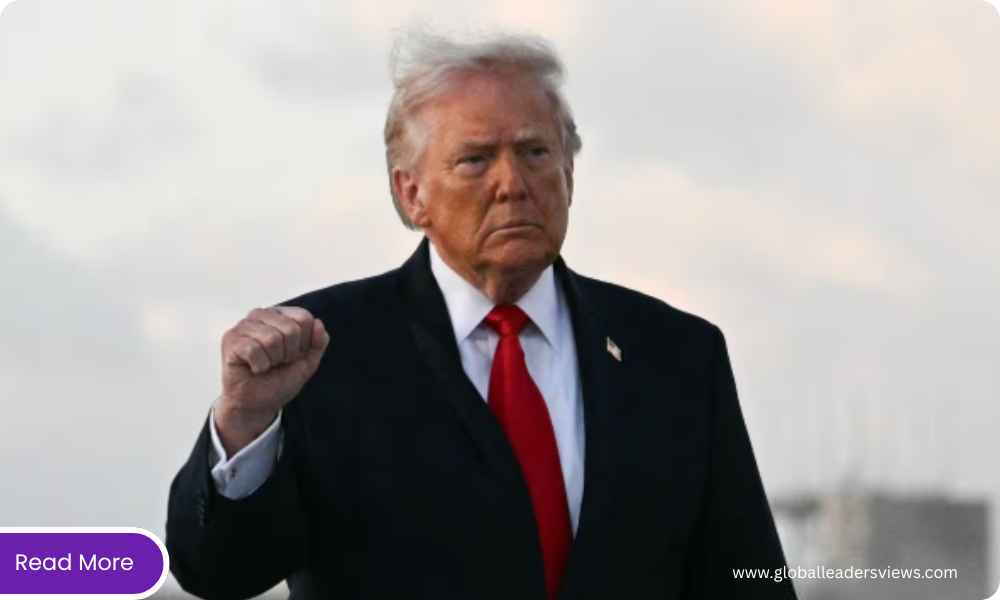
As former US President Donald Trump indicates support for a possible blockade in the Strait of Hormuz, one of the most important maritime and oil routes in the world, the international economy is once again preparing for instability. If carried out, the action might cause a significant market shock, jeopardize important shipping lanes, and have detrimental long-term effects on global trade and energy security.
Experts caution that any disruption in this area, which supplies about one-third of the world’s seaborne oil, may have an immediate impact on international markets. Countries may encounter economic difficulties akin to previous supply-chain crises, ranging from oil prices to trade logistics.
Implementing a Blockade: A Risky Geopolitical Action
Immediate consequences would result from a blockade in the Strait. Crude oil exports from Saudi Arabia, the United Arab Emirates, Kuwait, and Iraq use the narrow canal as a vital route. Iran, which likewise significantly depends on this chokepoint, may retaliate against any attempt to block or monitor traffic in an aggressive manner.
Analysts worry that even a small amount of implementation, such as strict surveillance, navy presence, or vessel detention, might lead to instability. Because traders frequently respond before activities take place, the world’s oil markets may price in risk right away, making economies susceptible to unexpected inflation.
Market Shock: Effects on Global Prices and Energy
An unavoidable market shock would result from a blockade scenario. Geopolitical turmoil already has the potential to cause a sharp increase in oil prices. Transportation, manufacturing, and consumer goods would all be impacted by higher energy costs.
Immediate financial strain would be experienced by nations that rely on oil imports, especially those in Europe and India. The global supply chain may find it difficult to withstand another shock as it continues to recover from pandemic disruptions.
A protracted embargo, according to economists, might force certain developing countries into recession-like circumstances or slower growth.
Shipping Disruption: International Trade at Risk
Beyond energy, a blockade would interfere with the Strait’s trade lines. Safe passage is essential for ships transporting manufactured commodities, chemicals, and minerals.
Delivery dates may take days or weeks, shipping companies may reroute vessels, and shipping insurers may increase risk charges. Companies that are already experiencing logistical difficulties may have to deal with even greater operating expenses.
Confidence in international maritime security frameworks may potentially be weakened by such disruption.
Negotiation Failures: Stressed Diplomacy
The continued diplomatic difficulties between the United States, Iran, and other regional actors are highlighted by the escalating tension. International organizations have mediated several rounds of negotiations, but they have failed to allay worries about maritime control, security, and sanctions.
A blockade, or even the threat of one, could strain ties with allies that depend on the region’s oil and indicate a breakdown in communication. Fears of a wider conflict are sparked by the failure of diplomatic attempts, which increases the likelihood of escalation.
Risks of Escalation: From Local Unrest to Worldwide Emergency
Any military action in or around the Strait may swiftly intensify, analysts caution. Miscalculations are a serious possibility due to the presence of naval forces from several countries in the area.
A cycle of reprisals could be triggered by even minor acts, such as vessel interceptions. Energy markets would rise to all-time highs as a result of these tensions, and global financial markets may react with volatility.
Alternative Paths & Prices
There are other shipping routes, but they are expensive and scarce. Although pipelines that avoid the Strait provide some respite, they are unable to fully replace the daily volume of exports.
Rerouting cargo across Africa would result in much longer shipping durations and higher fuel expenses. Consequently, the financial burden would fall on companies and consumers across the globe.
Replacing the Strait is almost impossible, at least not in the foreseeable future, due to the world’s huge reliance on it.
Read more: Latest Article
Global Trade on Edge as Blockade Fears Rise
The globe is now again concerned about economic volatility as Trump advocates for a possible blockade. A worrisome picture for international trade and energy security is painted by the blockade’s execution, market shock, shipping interruption, and long-term effects. In the absence of successful diplomacy, the situation might worsen and turn into one of the decade’s most significant economic catastrophes.
Stay Informed, Stay Inspired, and Stay Ahead with Global Leaders Views.














Leave a comment