




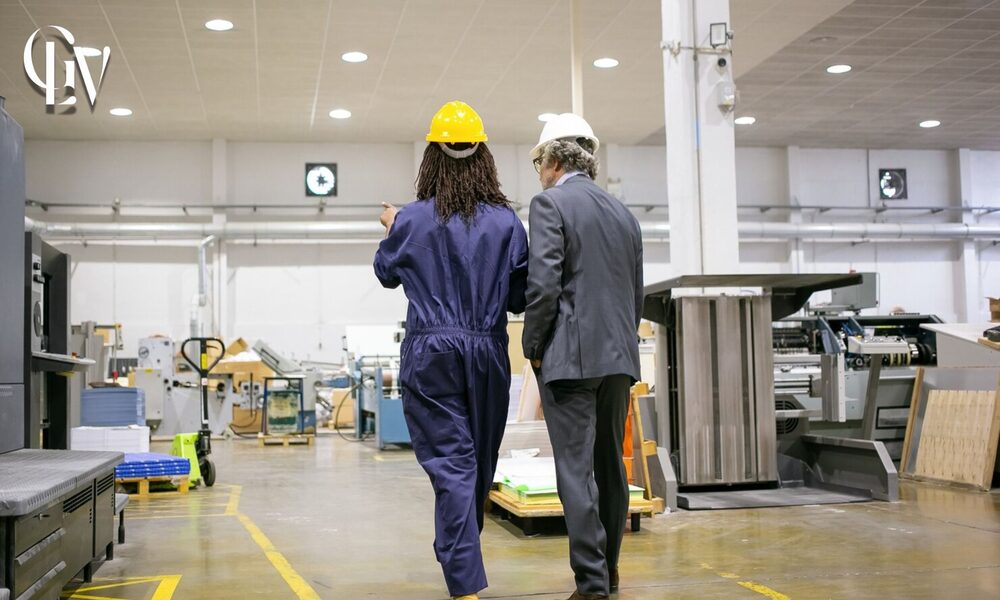
Australia is witnessing a promising shift toward a manufacturing revival, spurred by strategic investments and government support. After years of decline due to globalization and reliance on imports, the country is laying the groundwork for a robust domestic manufacturing sector, signaling a new era of industrial growth.
Signs of a Manufacturing Comeback
Major Infrastructure Projects: Plans for two new steel plants are underway, reflecting increased focus on building domestic production capabilities for critical materials.
Agribusiness Expansion: Queensland’s Lockyer Valley is set to host its first fruit and vegetable processing plant in over a decade, reducing dependence on imports and boosting local agriculture.
Renewable Energy Manufacturing: The growing demand for clean energy solutions is driving investment in solar panel production and battery manufacturing facilities.
Drivers of the Renaissance
Supply Chain Resilience: Global disruptions in supply chains have highlighted the need for self-sufficiency in essential goods.
Government Support: Incentives, grants, and policies aimed at fostering innovation and competitiveness in manufacturing are playing a pivotal role.
Technological Advancements: Automation, robotics, and advanced manufacturing techniques are enabling efficient production at reduced costs.
Challenges to Overcome
Despite the optimistic outlook, Australia’s manufacturing renaissance faces hurdles:
High Production Costs: Labor and energy costs in Australia remain significantly higher than in many competing nations.
Skilled Workforce Shortages: The sector needs a highly skilled workforce to operate advanced machinery and maintain productivity.
Export Competition: Competing with low-cost manufacturing hubs like China and Southeast Asia poses ongoing challenges.
Strategies for Sustainable Growth
To ensure long-term success, Australia is focusing on:
Education and Training: Partnering with educational institutions to upskill workers and meet industry demands.
Sustainability: Embracing green manufacturing practices to align with global environmental standards.
Local Collaboration: Strengthening partnerships between industries, research institutions, and the government to drive innovation.
1. Using Smart Technologies to Modernize Production
Advanced automation, robotics, and AI-powered systems are being used by Australia’s manufacturing industry in an effort to boost productivity and competitiveness. To monitor processes in real time, factories are progressively incorporating digital twins, smart sensors, and predictive maintenance systems. In addition to lowering operating costs, these technologies improve energy use, minimize waste, and allow manufacturers to react more quickly to shifting consumer needs.
2. Initiatives for Sustainability and Green Manufacturing
Sustainability is one of the revival’s main priorities. To lower carbon footprints, manufacturers are investing in eco-friendly production techniques, renewable energy sources, and circular economy models. Electric machinery, solar-powered plants, and recycling initiatives are increasingly important components of production plans. Australia wants to establish its manufacturing industry as a global leader in environmentally responsible innovation by 2025, attracting both local and foreign consumers.
3. Human-Centered Innovation and Workforce Reskilling
Businesses are retraining workers for high-tech positions to keep up with technological advancements. Demand for digital engineers, robotics experts, and AI operators is rising, guaranteeing that workers can prosper alongside automated technologies. Employee adaptation is being aided by future-oriented training initiatives and collaborations with academic institutions, which are cultivating a human-centered innovation culture in which technology enhances productivity without taking the place of human understanding.
4. Global Integration and Export Prospects
New international export prospects are being created by Australia’s increasing emphasis on innovative manufacturing. Manufacturers may compete globally in industries including industrial machinery, electronics, and automotive components by creating high-quality, sustainable products. The effective delivery of Australian goods to international markets through future trade agreements and intelligent logistics networks will improve the nation’s economic standing in 2025 and beyond.
Global Leaders View
Australia’s manufacturing renaissance represents a vital step toward economic resilience and self-reliance. With strategic investments and collaborative efforts, the nation is well-positioned to rebuild its industrial base, create jobs, and contribute to global markets. As these initiatives unfold, Australia’s manufacturing sector could emerge as a powerhouse in the Asia-Pacific region.
Visit Latest Interviews











Leave a comment