





The recent closure of the Dunlop tire plant in Tonawanda, New York, marks a significant setback for the local economy and highlights challenges in the tire manufacturing industry. Owned by Sumitomo Rubber USA, the plant ceased operations in late 2024, resulting in the loss of approximately 1,500 jobs.
Reasons Behind the Closure
Financial Losses: Sumitomo Rubber USA cited ongoing financial struggles as a major factor behind the decision. The plant had reportedly been operating at a loss for several years.
Market Competition: The tire industry faces fierce competition from low-cost manufacturers in Asia, making it difficult for U.S. facilities to remain competitive.
Rising Costs: Increasing costs of raw materials and energy, coupled with inflation, have added to the financial burden.
Shifting Demand: As consumer preferences shift toward sustainable and high-performance tires, traditional tire manufacturers face pressure to innovate, which often requires significant investment.
Local and Economic Impact
Job Losses: The closure has left 1,500 workers unemployed, creating a ripple effect on the local economy, including reduced spending and economic activity.
Community Challenges: Tonawanda, heavily reliant on the plant for employment, now faces higher unemployment rates and uncertainty about its economic future.
Industrial Vacancies: The plant’s closure adds to the list of shuttered manufacturing facilities in the region, highlighting a broader trend of industrial decline.
Broader Industry Trends
The Dunlop plant closure underscores some critical trends in the global manufacturing landscape:
- Nearshoring and Automation: Manufacturers are increasingly adopting automation and moving operations closer to markets to improve efficiency.
- Focus on Sustainability: Tire companies are investing in sustainable materials and production processes to meet evolving environmental regulations.
- Trade Policy Challenges: Global trade dynamics, including tariffs and trade agreements, significantly affect the competitiveness of U.S. manufacturing.
The Road Ahead
For Tonawanda and similar communities, recovery will depend on efforts to attract new industries, retrain displaced workers, and invest in economic diversification. Meanwhile, the tire industry must adapt to changing market demands by embracing innovation, sustainability, and cost-effective production methods.
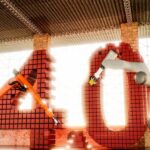
Dunlop Tire Plant Closure: Driving the Future of Manufacturing”
Changing direction: Dunlop’s era in New York comes to an end
The shutdown of New York’s Dunlop Tire Plant represents a dramatic change in the industrial landscape of the state. The company has been a manufacturing center for decades, supporting local economies and providing jobs for hundreds of people. Its closure represents the wider restructuring of American manufacturing, not just the loss of employment. Automation, cutting-edge materials, and environmentally friendly technologies are gradually replacing traditional tire manufacturing. Reimagining their economic future while respecting the heritage of this industrial icon is now a challenge for the communities surrounding the facility.
Industry reimagining: green tech and automation take the lead
In terms of the future, the shutdown highlights a worldwide trend: the growth of eco-friendly production and smart manufacturing. Global tire manufacturers are investigating biodegradable materials, 3D printing rubber parts, and AI-driven assembly. Efficiency, safety, and a reduced environmental impact are all promised by this shift. The change foreshadows a future with smarter, cleaner, and more digitally connected industrial plants, even though the immediate effects on New York workers are challenging. By adjusting to this shift, local economies may be able to establish themselves as centers for manufacturing of the future.
Impact on humans: communities at a turning point
The human story takes precedence over machines and technology. Employees must deal with uncertainties, retraining requirements, and relocation choices. Through IT education, upskilling programs, and entrepreneurial endeavors, local governments and groups are now essential in helping displaced workers. Communities that embrace innovation and reskilling may not only bounce back, but may even grow stronger and be prepared to take part in the next wave of high-tech, sustainable manufacturing.
The path forward: a transformational blueprint
The shutdown of the Dunlop plant is a microcosm of the development of industry. It serves as a reminder that technology, sustainability, and adaptation will all play a significant role in the nature of employment in the future. The best-positioned regions to prosper in the post-traditional manufacturing world are those that foresee these changes, make investments in worker development, and support innovation ecosystems. The future paves the way for a more intelligent, environmentally friendly, and robust industry, while the past is closing its doors.
The closure of the Dunlop tire plant is a stark reminder of the challenges facing U.S. manufacturing in an increasingly globalized and competitive market. However, it also presents an opportunity for stakeholders to drive innovation and foster resilience in the sector.
Visit Latest Interviews











Leave a comment