




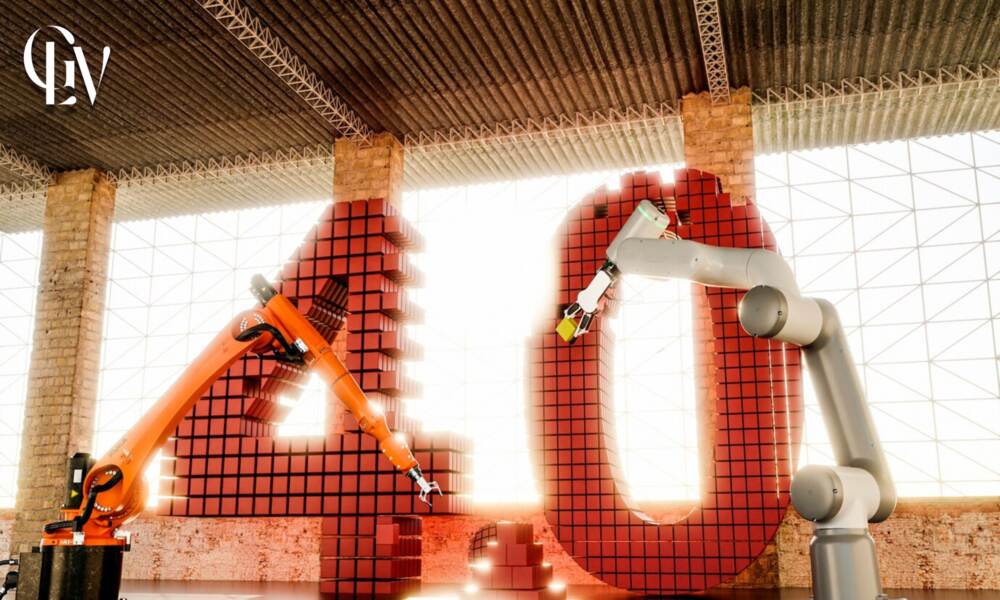
India, often referred to as the world’s next big manufacturing hub, faces significant challenges in realizing its full potential. Despite government initiatives like Make in India, the manufacturing sector continues to grapple with structural inefficiencies, global competition, and infrastructural bottlenecks. These challenges must be addressed to position India as a global manufacturing powerhouse.
Key Challenges in India’s Manufacturing Sector
- Infrastructure Gaps
- Poor logistics and inadequate transportation networks increase production and supply chain costs.
- Frequent power outages and limited energy infrastructure hinder consistent manufacturing operations.
- Skilled Labor Shortage
- While India boasts a large workforce, there is a lack of trained and skilled labor to operate advanced manufacturing equipment.
- The gap between academic training and industry requirements exacerbates the issue.
- Complex Regulatory Environment
- Lengthy bureaucratic procedures and a maze of regulatory compliance requirements discourage investment.
- Despite progress in improving ease of doing business, red tape remains a challenge for many manufacturers.
- High Cost of Capital
- Manufacturers often face difficulty accessing affordable financing, especially small and medium enterprises (SMEs).
- High-interest rates further increase production costs, reducing competitiveness.
- Global Competition
- India faces stiff competition from established manufacturing hubs like China, Vietnam, and Thailand, which offer lower costs and better efficiency.
- A lack of innovation and lower adoption of advanced technologies put Indian manufacturers at a disadvantage.
- Trade Policy Uncertainty
- Frequent changes in import-export policies and tariffs create uncertainty for businesses relying on global trade.
- Dependence on imported raw materials makes manufacturers vulnerable to global price fluctuations.
Addressing the Challenges
To overcome these roadblocks, India must focus on:
- Infrastructure Development: Investments in modern logistics, energy supply, and transportation networks can improve efficiency.
- Skill Development: Collaboration between industries and educational institutions is essential to bridge the skills gap.
- Simplifying Regulations: Continued reforms to make the regulatory environment more transparent and business-friendly will attract investment.
- Technological Adoption: Embracing automation, robotics, and Industry 4.0 technologies can improve productivity and reduce costs.
- Boosting Exports: Encouraging export-oriented policies and trade agreements can enhance India’s global competitiveness.
Conclusion
India’s manufacturing sector has immense potential but requires a concerted effort to address these challenges. By focusing on structural reforms, skill enhancement, and technological innovation, the country can position itself as a key player in the global manufacturing landscape.
Visit Latest Interviews












Leave a comment