




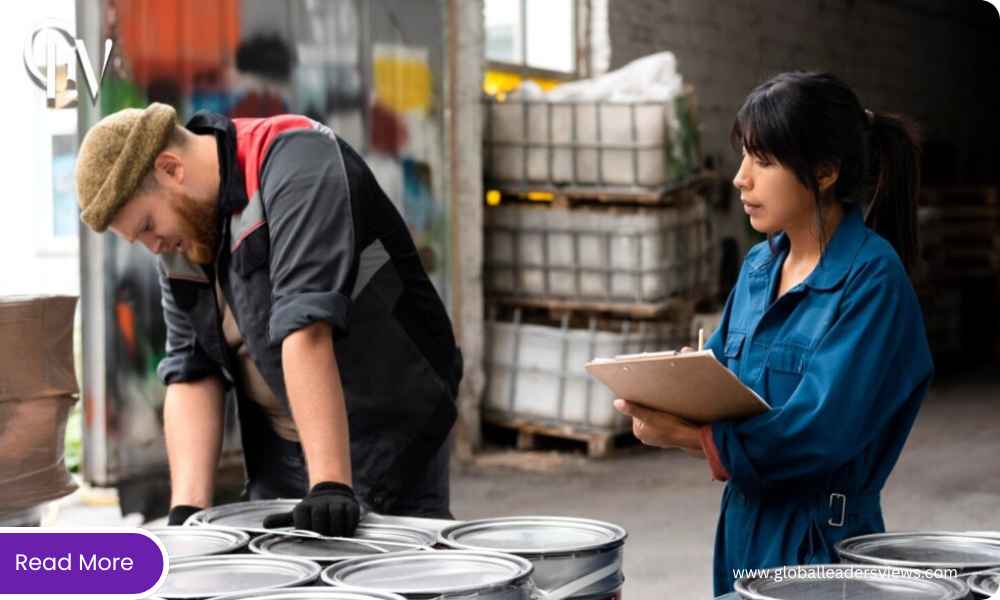
As nearshoring gains momentum, the U.S. manufacturing sector is facing an unexpected obstacle: labor shortages. Nearshoring, the strategy of relocating production closer to domestic markets, has surged in popularity as companies seek to reduce supply chain risks and capitalize on local market opportunities. However, the rapid expansion of domestic manufacturing facilities has highlighted a critical issue—finding skilled workers to meet growing demand.
The Nearshoring Surge
Nearshoring has seen a significant uptick due to several factors:
Supply Chain Disruptions: Events like the COVID-19 pandemic and geopolitical tensions have underscored the risks of relying on global supply chains.
Government Incentives: Policies promoting domestic production, such as subsidies for semiconductor manufacturing and electric vehicle (EV) battery plants, have accelerated nearshoring efforts.
Consumer Preferences: Increasing demand for “Made in USA” products is encouraging companies to localize production.
1. Labor Shortages: A Growing Concern
Despite the benefits of nearshoring, the lack of skilled workers poses a significant challenge:
Aging Workforce: Many skilled tradespeople are nearing retirement, leaving a gap in critical roles such as machinists, welders, and technicians.
Skills Gap: Advances in manufacturing technology, such as automation and AI, require specialized knowledge that many workers currently lack.
Geographic Disparities: Many new manufacturing facilities are located in regions with limited access to a trained workforce, further exacerbating shortages.
2. Strategies to Address the Shortage
To bridge the labor gap, companies and policymakers are implementing several strategies:
Apprenticeship Programs: Manufacturers are partnering with educational institutions to provide on-the-job training for young workers.
Upskilling Initiatives: Investments in training programs for existing employees help them adapt to new technologies.
Immigration Policies: Adjusting immigration policies to attract skilled workers from abroad can alleviate workforce shortages.
Automation: Leveraging robotics and AI can reduce dependency on manual labor, although this requires significant capital investment.
Growth in Nearshoring Exceeds Workforce Availability
Nearshoring’s explosive growth has given American manufacturing a plethora of new prospects, but it has also revealed a growing labor shortage. Factories nationwide are growing faster than they can hire workers as businesses relocate production closer to home in an effort to lower supply chain risks. There is a shortage of skilled personnel, particularly in automation, modern machinery, robotics, and logistics. Due to this discrepancy, businesses have been obliged to reduce output, adjust schedules, and boost employee training expenditures.
An Innovative Transition to Automation and AI-Powered Workflows
Manufacturers are using cutting-edge technologies to change production operations in order to overcome workforce shortages. Smart automation platforms, collaborative robots (cobots), and AI-driven quality control systems are evolving from optional enhancements to necessary technologies. These developments not only reduce labor shortages but also transform manufacturing processes, enabling businesses to run with fewer workers while yet achieving high levels of accuracy. However, experts contend that as production becomes more complex, technology cannot take the role of professional human control.
Transformation of the Workforce Becomes a National Priority
Workforce development initiatives are growing across the country as a result. To create a talent pipeline prepared for the future, states are collaborating with universities, trade schools, and business associations. Robotics, digital manufacturing, and advanced engineering apprenticeships are becoming more popular. The change portends a change in the nature of U.S. manufacturing over the next ten years, not just a short-term solution. The nation must decide whether to embrace innovation, invest in people, or risk losing the momentum of its manufacturing resurgence as nearshoring picks up speed.
Global Leaders View
While the nearshoring boom presents a golden opportunity for U.S. manufacturing, labor shortages threaten to hinder its potential. By investing in workforce development, embracing technological innovation, and fostering partnerships between industries and education, the manufacturing sector can overcome these challenges and ensure sustainable growth.
Visit Latest Interviews











Leave a comment