



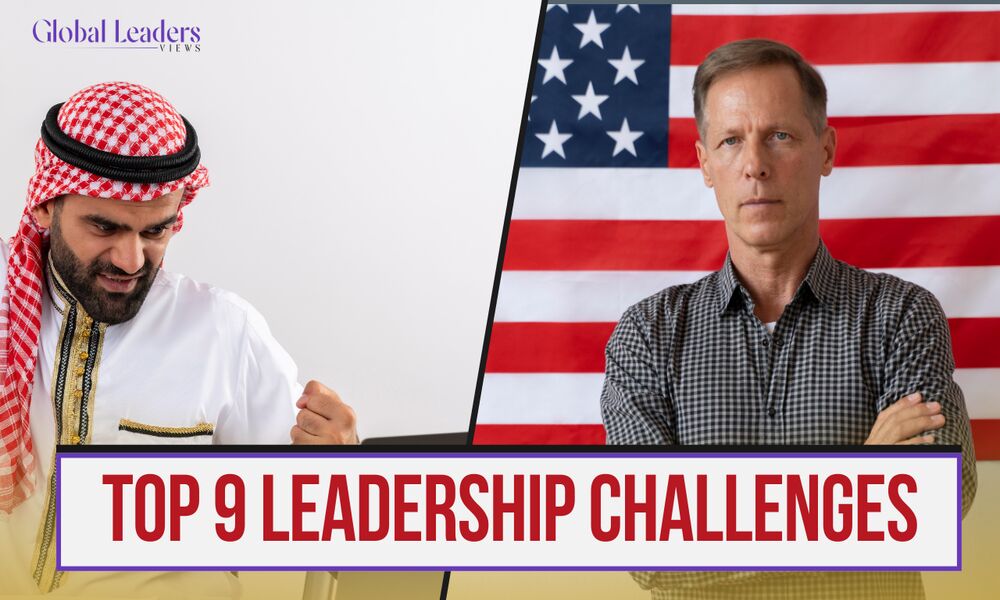
Leadership Challenges are more demanding than ever before. Organizations no longer operate in predictable environments. Markets shift overnight, teams work across continents, and expectations for ethical and performance-driven leadership continue to rise. To succeed, we must understand not only what leadership is, but how leadership development, leadership skills and global leadership strategies shape sustainable growth.
Global Leaders Views looks into the top 09 leadership challenges that define modern organizations and how we tackle them with clarity, discipline, and strategic foresight.
Defining What Is Leadership in the Modern Era
Before solving challenges, we must clearly understand what leadership is. Leadership is not authority, position, or control. It is the ability to influence direction, inspire performance, and create accountability across an organization.
The challenge lies in balancing inspiration with execution. Leaders must drive measurable results while nurturing culture and innovation. Without a clear definition of leadership aligned to organizational goals, confusion spreads, morale weakens, and progress stalls.
Bridging Leadership and Management Effectively
One of the most misunderstood leadership challenges is the relationship between leadership and management. Management focuses on systems, processes, and efficiency. Leadership focuses on direction, influence, and motivation.
We integrate leadership and management as complementary forces. Strong leadership sets the vision; strong management ensures execution. When aligned, productivity accelerates and accountability strengthens across departments.
Developing Consistent Leadership Skills Across Teams
No organization thrives without strong leadership skills at every level. The challenge is not identifying skills—but consistently cultivating them.
Without structured leadership development, these skills remain inconsistent. Organizations must implement systems that identify high-potential individuals early, mentor them intentionally, and evaluate performance beyond technical competence.
When leadership skills are uneven, silos emerge. Performance gaps widen. Cultural cohesion declines. Structured development ensures alignment and long-term resilience.
Leadership Development in a Rapidly Changing Environment
Leadership development today must evolve faster than market disruption. Traditional training programs no longer suffice. Leaders must learn continuously, adapt rapidly, and operate comfortably within uncertainty.
Modern leadership development requires:
- Scenario-based learning
- Cross-functional exposure
- Executive coaching
- Real-time performance feedback
- Global cultural awareness
The challenge is maintaining relevance. Static programs fail in dynamic industries. We must design leadership pathways that evolve with digital transformation, regulatory shifts, and workforce changes.
Organizations that invest consistently in leadership development build institutional strength that outlasts individual talent cycles.
5. Navigating Diverse Leadership Styles
Every leader operates with a distinct leadership style. Some are transformational. Others are transactional. Some emphasize collaboration; others prioritize directive authority.
The challenge arises when:
- Leadership style conflicts with organizational culture.
- Teams resist authoritarian approaches.
- Leaders fail to adapt to situational needs.
- Effective leaders understand situational flexibility.
- They adjust their leadership style depending on team maturity, crisis level, and performance expectations.
We recognize that no single leadership style fits all environments. Mastery lies in adaptability balancing firmness with empathy, speed with precision and authority with empowerment.
6. Managing Global Leadership Complexities
In a connected economy, global leadership is no longer optional. Companies operate across regions, cultures, and regulatory systems. The complexity increases exponentially when managing global teams.
Key global leadership challenges include:
- Cross-cultural communication barriers
- Time zone coordination
- Legal and compliance diversity
- Political and economic volatility
- Cultural sensitivity in decision-making
- Global leadership demands cultural intelligence and inclusive communication.
- Leaders must unify diverse teams under a shared mission while respecting local nuances.
Without strong global leadership, expansion efforts fracture, engagement declines, and operational risk multiplies.
7. Leading Through Digital Transformation
Digital acceleration remains one of the most pressing leadership challenges. Technology reshapes industries at unprecedented speed. Artificial intelligence, automation, and data analytics redefine operations.
Leaders face pressure to:
- Adopt new technologies quickly
- Upskill workforce capabilities
- Protect cybersecurity
- Manage digital disruption
- Resistance to change can undermine transformation efforts.
- Leaders must communicate the purpose behind technological shifts, address fears, and align teams around digital strategy.
Digital transformation is not purely technical—it is a leadership issue rooted in vision and adaptability.
8. Building Trust in High-Pressure Environments
Trust forms the foundation of effective leadership. Without trust, even the strongest strategies collapse. One of the most overlooked leadership challenges is sustaining trust under pressure.
Trust erodes. When:
- Communication lacks transparency.
- Decisions appear inconsistent.
- Leaders avoid accountability.
- We build trust through:
Clear expectations:
- Consistent follow-through
- Ethical decision-making
- Open communication channels
- High-performance cultures rely on psychological safety.
- When teams trust leadership, innovation increases, engagement strengthens, and conflict becomes productive rather than destructive.
9. Sustaining Motivation and Engagement
Employee disengagement is a silent threat. Leaders must maintain motivation across evolving workforce expectations, hybrid work environments, and generational diversity.
This leadership challenge involves:
- Aligning individual purpose with organizational goals
- Offering growth opportunities
- Recognizing contributions
- Encouraging autonomy
- Motivation is not driven solely by compensation. It stems from meaning, belonging, and progression.
- Leaders who actively engage teams reduce turnover and elevate performance outcomes.
Strengthening Leadership Training for Long-Term Success. Leadership training must move beyond theoretical workshops. It must be practical, measurable, and embedded into daily operations.
Effective leadership training includes:
- Real-world case simulations
- Peer accountability groups
- Executive mentorship programs
- Measurable performance benchmarks
- When leadership training becomes continuous rather than occasional, organizational culture transforms.
- Training reinforces leadership skills, refines leadership style, and ensures consistent leadership and management alignment.
The Strategic Importance of Global Leadership. Global markets demand strategic foresight. Global leadership is defined by adaptability, cultural intelligence, and strategic expansion capabilities.
Successful global leaders:
- Anticipate geopolitical risk
- Build multinational partnerships
- Navigate regulatory frameworks
- Foster inclusive leadership environments
- Without strong global leadership frameworks, organizations struggle to scale internationally.
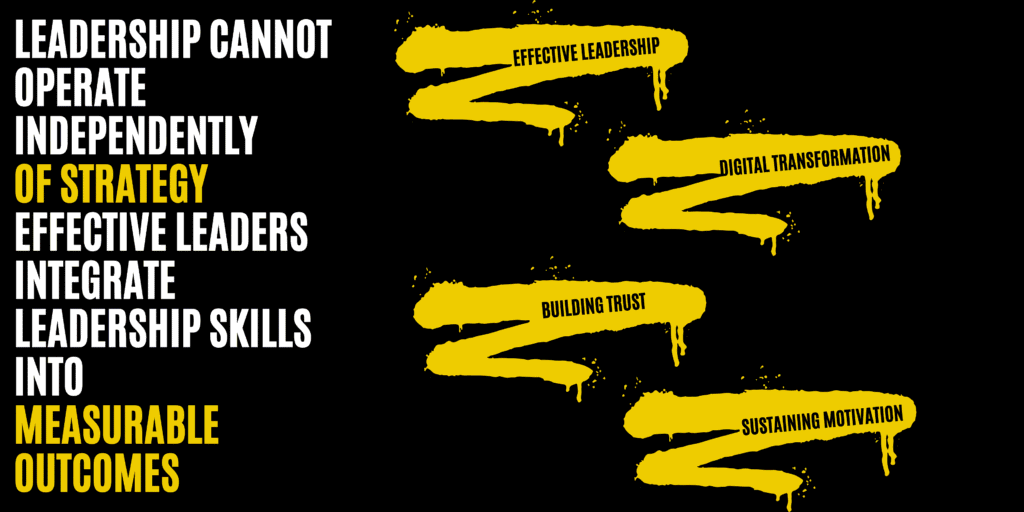
- Leaders must embrace diversity, align multicultural teams, and sustain unified corporate values across borders. Integrating Leadership Skills with Organizational Strategy
This requires:
- Data-driven decision-making
- Clear performance metrics
- Cross-department collaboration
- Accountability frameworks
- When leadership aligns with strategic execution, organizations achieve operational efficiency and cultural stability simultaneously.
Conclusion: Overcoming Leadership Challenges with Strategic Precision
The top 9 leadership challenges outlined above define the competitive landscape of modern organizations. From understanding what leadership is to strengthening leadership development, refining leadership style, integrating leadership and management, enhancing leadership training, and mastering global leadership, success demands discipline and adaptability.
Being a leader is a dynamic process. It changes in tandem with culture, technology, and markets. Long-term viability and worldwide relevance are ensured for organizations that make significant investments in leadership competencies and organized development frameworks.
True leadership is measured not by authority, but by impact, alignment, and transformation.










Leave a comment