





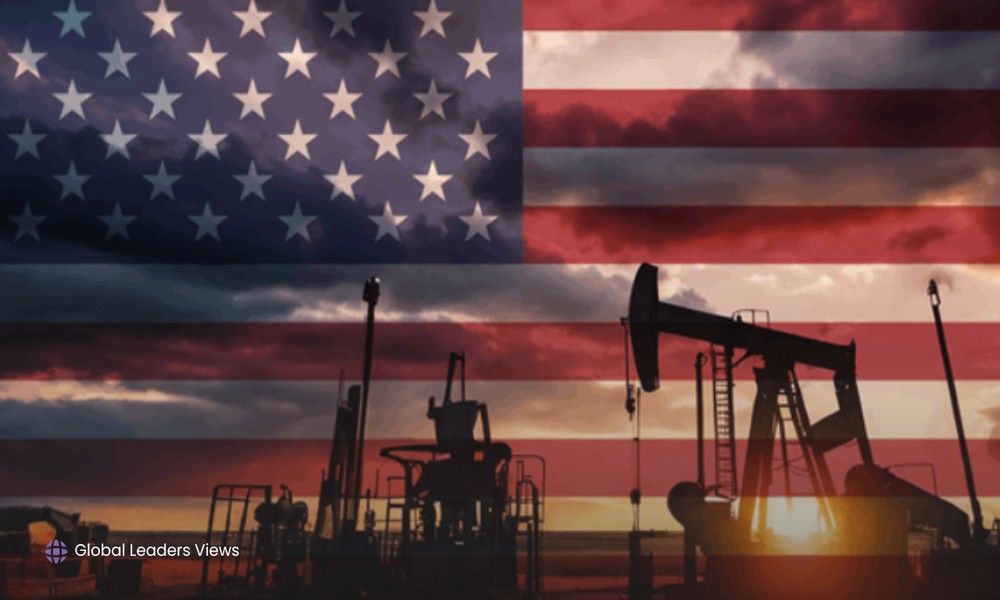
The oil production of United States government is urging domestic oil producers to ramp up output in response to volatile energy markets and global supply chain disruptions. This push comes amid rising fuel prices, geopolitical tensions, and concerns over energy security. However, the oil and gas industry has been hesitant, citing financial, environmental, and market stability concerns as key challenges to scaling up production.
U.S. Energy Policies Drive the Push
The call for increased oil production is part of the U.S. administration’s broader strategy to stabilize energy markets and curb inflation driven by high fuel costs. With global oil prices fluctuating due to geopolitical events, including the ongoing conflict in Eastern Europe, the government sees domestic production as a means to reduce dependence on foreign oil and ensure energy security.
In recent months, U.S. officials have encouraged oil companies to invest in expanding drilling operations and upgrading infrastructure. They have also released millions of barrels of oil from the Strategic Petroleum Reserve (SPR) to mitigate price spikes and ease supply shortages. However, officials stress that long-term solutions require greater domestic output to meet both domestic and international demand.
Industry’s Reluctance
Despite government efforts, the oil industry has been slow to respond. Many companies are cautious about making large investments in new production due to lingering uncertainties in the market. Factors such as fluctuating demand, regulatory hurdles, and pressure from shareholders to prioritize profitability over expansion have created a challenging environment for growth.
Additionally, the industry is grappling with a shift toward renewable energy and a growing emphasis on sustainability. Companies are reluctant to commit significant resources to oil production when there is increasing pressure to transition to cleaner energy sources. The long-term outlook for fossil fuels is uncertain, leading many firms to adopt a more conservative approach to capital expenditures.
Balancing Act: Economy vs. Environment
The push for increased oil production highlights the tension between short-term economic needs and long-term environmental goals. While the administration seeks to address immediate concerns like rising fuel prices and energy security, environmental advocates argue that expanding oil production contradicts efforts to combat climate change.
Critics warn that increasing fossil fuel output undermines the country’s commitment to reducing greenhouse gas emissions and transitioning to renewable energy. On the other hand, proponents argue that a temporary increase in oil production is necessary to stabilize the economy and support global energy needs during a period of crisis.
Visit: Latest Magazine
The Path Forward
To address industry hesitations, the U.S. government is exploring measures to incentivize production, such as offering tax breaks, streamlining permitting processes, and providing financial guarantees for new projects. At the same time, officials emphasize the importance of balancing energy security with environmental stewardship.
Some analysts suggest that the future lies in a dual approach, investing in both traditional energy sources to meet current demand and renewable energy technologies to ensure long-term sustainability. By adopting a balanced energy strategy, the U.S. can navigate the complexities of the global energy market while transitioning to a greener future.
Visit: Latest News in Tech
Managing Energy Demand: A Prospective Perspective on American Oil Production
Despite industry reluctance, the U.S. push for more oil output indicates a future characterized by both urgency and transformation. Companies are likely to use cutting-edge technology like automation and artificial intelligence (AI) to increase productivity and lower operational risks, even though short-term expansion may be driven by pressing energy needs and geopolitical concerns.
However, sustainability continues to be the key focus of the long-term trajectory. Fossil fuels and clean energy could coexist in a hybrid economy as governments and businesses invest more in renewable energy. Oil’s role may progressively diminish as climate obligations grow; therefore, innovation and adaptability are essential to the industry’s future.
A Delicate Challenge
The U.S. government’s push for increased oil production underscores the delicate balance between addressing immediate economic pressures and advancing long-term energy goals. While the oil industry remains cautious, finding common ground between policymakers, environmentalists, and industry leaders will be key to shaping a sustainable and secure energy future. The coming months will likely determine whether the nation can effectively navigate this challenging landscape and emerge stronger in both energy independence and environmental leadership.
Global Leaders Views connects influential leaders and transformative ideas with a world of opportunity.















Leave a comment