





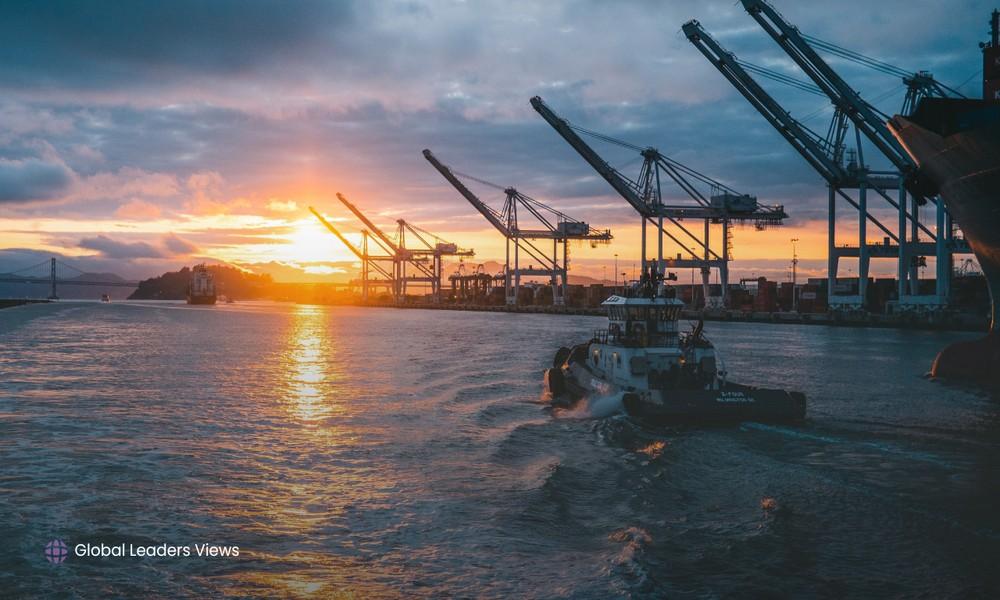
It is impossible to overestimate the significance of the Strait of Hormuz as the world’s most vital maritime route for the transfer of oil. Nearly 20% of the world’s petroleum passes through it every day, making it one of the smallest chokepoints in the global energy trade. The strait is more than just a waterway for countries that depend significantly on imported energy; it is a lifeline. Crude oil, natural gas, and other vital energy resources are traded and transported there thanks to its advantageous location between the Persian Gulf and the Arabian Sea.
Iran’s Place in Geopolitical Dynamics
Iran has considerable influence on international oil flows due to its location on the northern edge of the Strait of Hormuz. Iran is aggressively selling oil to Asian markets, according to recent reports, with China being the primary destination. Iran has been investigating Iran RMB oil agreements in order to avoid conventional dollar-based settlements, thus this change is not just about trade volume but also about currency strategy. The region’s changing economic dynamics are exemplified by the usage of the Chinese yuan in oil trades, sometimes known as Iran Strait of Hormuz Chinese yuan agreements.
Global Oil Markets’ Strategic Significance
Liquid natural gas (LNG), petroleum derivatives, and crude oil all depend on the Strait of Hormuz for trade and transportation. Any disturbance, no matter how brief, can have repercussions for the world’s energy markets, according to analysts. The Strait of Hormuz is one of the most vulnerable transit sites for oil because of its tiny width, which is only 21 miles at its narrowest point. The Strait of Hormuz is one of the most significant oil transit chokepoints in the world because military tensions and sanctions have historically increased market fear worldwide.
China’s Increasing Power in the Hormuz Strait
The strait’s growing geopolitical and economic significance is highlighted by China’s growing reliance on Middle Eastern oil. Beijing has been entering into long-term energy arrangements with Gulf nations as trade over the Strait of Hormuz increases. China secures its energy supply and increases its financial clout in the world’s oil markets by settling commerce in local currency. New countries are looking into new maritime routes as a result of this trend, but at the moment, no practical substitute can equal the strait’s effectiveness.
Visit: Latest Magazine
Implications for the Economy and Security
Changes in the Strait of Hormuz continue to have a significant impact on the world economy. Fuel prices, transportation, and industrial production are all directly impacted by fluctuations in oil prices. Stability in this corridor is essential for nations that rely on imports. The Strait of Hormuz will continue to be a geopolitical flashpoint as long as it is necessary for the trade and transportation of the following resource. Any disturbance in the strait might hasten the transition to strategic stockpiling, diversity of supply lines, and renewable energy.
Global Energy Is Shaped by a Chokepoint
The Strait of Hormuz plays an indisputable role as a global energy corridor, from oil to geopolitical maneuvering in the Persian Gulf. Understanding that this small passage is much more than a geographical feature, nations, energy corporations, and investors keep a careful eye on changes here since it serves as the pivot for trade strategy, economic stability, and energy security. In summary, the Strait of Hormuz is one of the most significant oil transit chokepoints in the world, and its impact on international trade will continue to be crucial for years to come.
In the future, it is anticipated that growing energy demand in Asia, particularly from China and India, would maintain high flows over the strait. Any change in the state of security or the presence of the Navy or diplomatic ties in the area may quickly change global price patterns, making this corridor a long-term focal point of strategic planning and international energy politics.
Read our Exclusive interview with Eric Fong














Leave a comment