

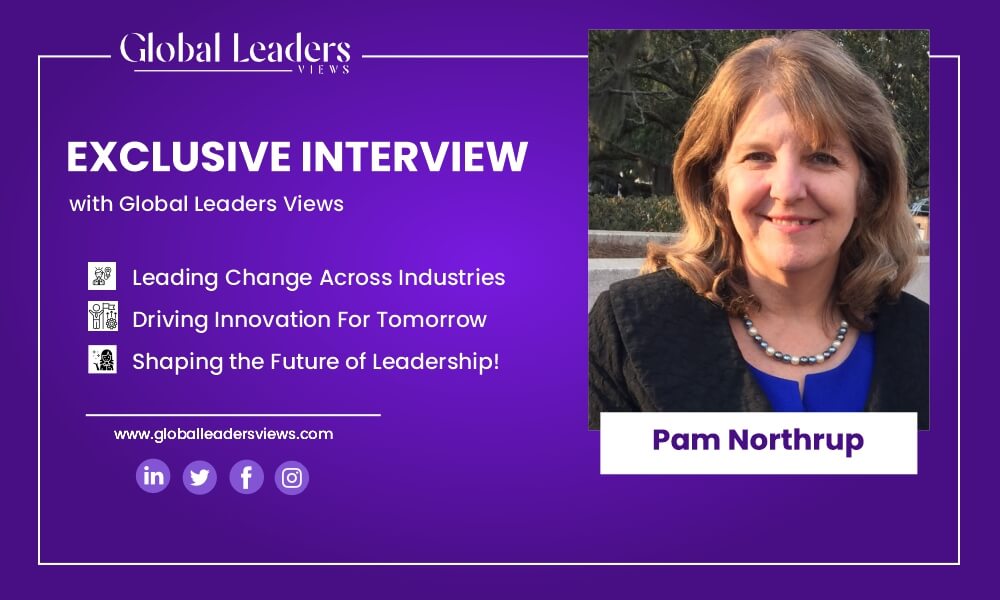
The most influential leaders in education are not always the ones who begin with all the answers. They are the ones who continue asking the right questions. They are the leaders who look beyond existing systems, challenge traditional approaches and search for better ways to create meaningful opportunities for others. Pamela Taylor Northrup, Ph.D., has built her remarkable career around this philosophy, proving that curiosity is not only the beginning of learning but also the foundation of transformative leadership.
Recognized as one of the Top 10 Women Leaders Transforming Education Leadership in 2026, Dr. Northrup represents a generation of education leaders who understand that the future of learning depends on the strength of the systems supporting it. Her journey has moved across classrooms, universities, technology initiatives, statewide education programs and executive leadership roles, yet one purpose has remained constant: creating environments where people can learn, grow and achieve more.
Today, as Vice President of Leader Coaching at Studer Education, Dr. Northrup works alongside education leaders to strengthen strategy, leadership practices and continuous improvement efforts across K–12 and higher education environments. Her work focuses on helping leaders connect their daily decisions with the larger mission of improving experiences and outcomes for students, educators and communities.
Her career is not simply a story of professional advancement. It is a story of evolution. It is the story of a teacher who became an innovator, an educator who became a systems thinker and a leader who continues to believe that every improvement begins with understanding people.
The Curiosity That Changed the Direction of a Career
Long before Dr. Northrup became an education executive, she was a classroom teacher with a natural curiosity about how organizations worked and how learning could be improved. She was not only focused on what happened inside her own classroom. She wanted to understand the larger picture surrounding education.
She wondered how different roles connected with one another. What did a grade-level chair actually do? How did principals influence teaching and learning? How did district decisions eventually reach students sitting inside classrooms?
Those questions reflected a mindset that would define her entire career. She was never satisfied with seeing only one part of the system. She wanted to understand the connections between people, processes and outcomes. A defining moment came when computers began arriving in classrooms. At the time, technology was becoming part of education, but many teachers were expected to use these new tools without meaningful preparation or professional development.
Instead of simply accepting the situation, Dr. Northrup questioned it.
How could teachers effectively use technology if they were never given the opportunity to understand how it could improve learning? That question became the turning point that changed the direction of her professional journey.
She returned to graduate school with a desire to explore how educational technology could be designed more effectively. Initially, her goal was to create better educational software because early classroom technology solutions often failed to fully support teachers and students. As her studies progressed, she discovered something much broader than technology itself. She became fascinated by instructional systems design and the deeper relationship between learning, organizational structures and human development.
She realized that meaningful improvement was not created by introducing tools alone. It required understanding learners, designing effective systems and creating conditions where people could succeed.
This realization became the foundation of her leadership philosophy.
From Classroom Educator to Architect of Learning Systems
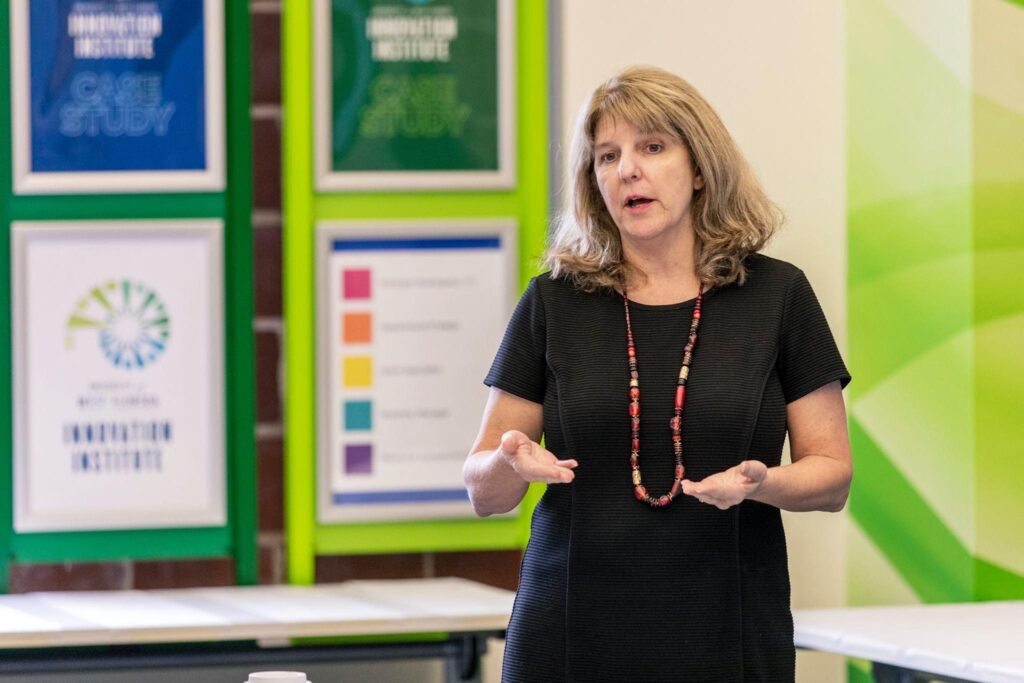
Dr. Northrup’s career developed through a series of experiences that expanded her understanding of education from the classroom level to the organizational level. She worked in educational technology, research, instructional design and academic leadership, continually exploring how innovation could improve learning experiences.
Her early work included opportunities to develop and evaluate educational software through IBM EduQuest, textbook publishing partnerships and funded projects focused on creating digital learning experiences for teachers and students.
These experiences allowed her to see technology not as a replacement for educators but as a tool that could empower them when designed with purpose. Her expertise continued to grow as she moved into higher education leadership. She served as a professor, chaired a department of Educational Leadership, prepared future school leaders and contributed to programs focused on leadership development and educational technology.
Throughout these roles, she continued bringing together three areas that became central to her career: learning, leadership and systems thinking. Whether she was teaching future principals, developing online learning opportunities or leading innovation initiatives, her focus remained on helping organizations understand how their decisions influence the people they serve.
Her professional path eventually expanded into roles including dean, associate provost, vice provost, vice president and state-level leadership positions. Each experience provided a new perspective on education and strengthened her ability to see challenges from multiple angles.
For Dr. Northrup, leadership has never been about a title. It has always been about responsibility.
- The responsibility to understand complex systems.
- The responsibility to support people through change.
- The responsibility to create opportunities that continue beyond one individual leader.
Seeing Education as a Connected Ecosystem
One of the most important lessons in Dr. Northrup’s leadership journey came from becoming a university department chair. That experience helped her understand that effective leaders must look beyond their immediate responsibilities and recognize how every part of an organization influences the whole.
A department does not operate separately from a college. A college does not operate separately from a university. A school does not operate separately from a district or community.
Every part of education exists within a larger ecosystem.
This systems perspective became one of the strongest foundations of her leadership approach. She learned that organizations succeed when people understand how their work contributes to shared goals. When one part of a system struggles, the impact often extends throughout the organization. Sustainable improvement requires alignment between strategy, leadership practices, communication and execution.
This philosophy continues to influence her work today at Studer Education, where she supports leaders in strengthening organizational systems and building cultures focused on improvement.
Another major influence on Dr. Northrup’s leadership development came through her work with the United States military. These partnerships exposed her to highly structured performance improvement environments where training, preparation and real-world outcomes were directly connected.
Her experiences included supporting mobile distance learning initiatives during the early days of digital education, contributing to performance improvement efforts and developing learning experiences designed to meet complex needs. Working with military organizations reinforced an important lesson: successful systems do not happen by accident. They are intentionally designed, continuously evaluated and improved through disciplined learning.
This understanding shaped how she approached education leadership throughout her career. She began viewing organizations as living systems that require curiosity, adaptability and a commitment to ongoing growth.
Creating Possibilities Through Education and Expanding What People Believe Is Possible
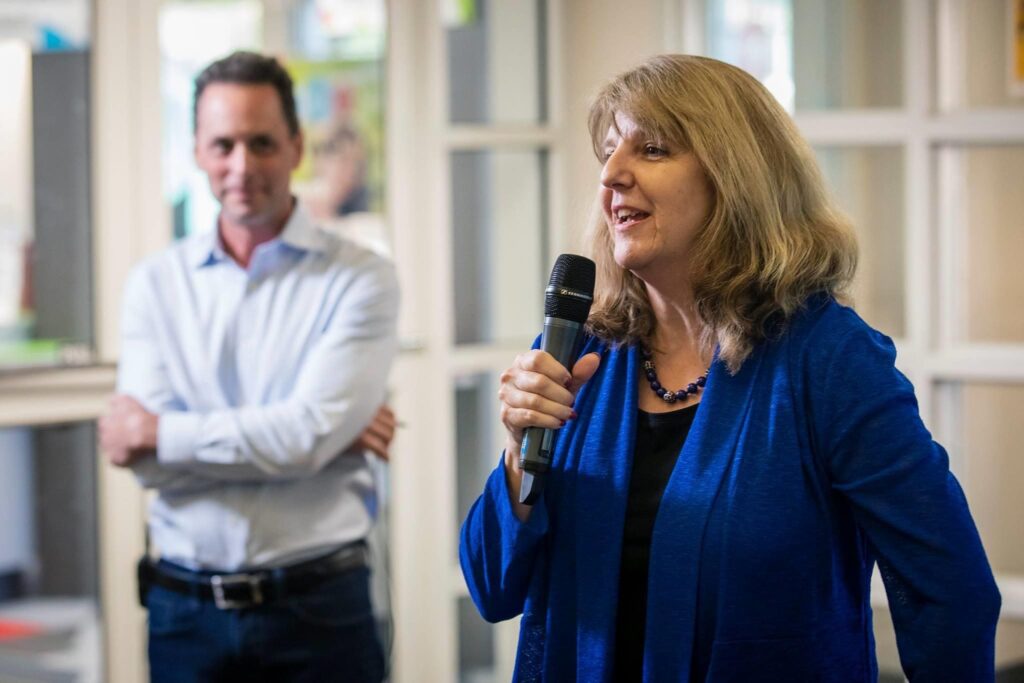
For Dr. Northrup, the true power of education has always been connected to possibility. Throughout her career, she has witnessed education transform lives from multiple perspectives, beginning as an elementary classroom teacher and continuing through her work with educators, university students, adult learners, leaders and entire educational organizations. Her understanding of education is not limited to classrooms or academic programs. She sees it as a pathway that allows individuals and communities to discover opportunities they may not have imagined before.
This belief has guided her work across every stage of her career. Whether she was developing learning experiences, preparing future educational leaders, building online learning opportunities or supporting executives responsible for complex systems, her focus has remained centered on helping people reach their potential.
Today, in her role as Vice President of Leader Coaching at Studer Education, Dr. Northrup brings together decades of experience in learning design, leadership development, strategy and organizational improvement to support education leaders navigating an increasingly complex environment. Her work focuses on helping leaders strengthen their systems, align their strategies and create cultures where continuous improvement becomes part of everyday practice.
One of the most meaningful aspects of her work is helping leaders recognize the connection between decisions made at the organizational level and the experiences of students inside classrooms. A strategic plan may appear to exist far away from daily student interactions. A leadership framework may look like a management tool. A measurement system may seem like a collection of numbers. However, when those elements are designed with purpose, they create the foundation that allows educators to thrive and students to succeed.
Dr. Northrup believes that strong educational leadership is ultimately about creating the conditions where people can do their best work. Leaders influence the environment around teachers, employees and students, and the quality of that environment directly impacts learning outcomes.
Her perspective comes from years of observing education from different levels of the system. She has worked with young learners discovering their abilities, educators developing their skills and leaders responsible for guiding entire institutions. Each experience strengthened her belief that education must be designed around people and their potential.
Designing Learning With People Rather Than Simply Delivering Learning To Them
A central principle in Dr. Northrup’s educational philosophy is the belief that learning should be designed with people rather than simply delivered to them. Her background in instructional systems design shaped the way she approaches education, beginning with understanding the learner, identifying the desired outcomes and creating systems that support success.
She believes meaningful learning happens when individuals understand why something matters and how it connects to their goals. This principle applies not only to students but also to adult learners and professionals who are developing new skills.
For Dr. Northrup, education is about much more than transferring information. It is about developing curiosity, confidence, adaptability, problem-solving ability and the ability to continue learning throughout life.
The world students enter after graduation continues to change rapidly. New technologies, evolving industries and shifting workforce expectations require learners who can adapt and grow. Because of this, she believes educational institutions must focus on preparing people not only with knowledge but also with the mindset needed to navigate uncertainty.
This approach reflects her own career journey. She has never viewed learning as something that ends after formal education. Instead, she has built her career around continuous exploration, asking questions and adapting to new opportunities. One experience that deeply influenced her perspective involved working with teachers who were creating curriculum opportunities for elementary students through an innovation initiative. A teacher from a community with significant economic challenges shared that many students struggled to imagine careers beyond what they saw around them every day.
For Dr. Northrup, this moment represented the deeper purpose of education. When students gain exposure to new possibilities, they begin seeing futures that once felt unreachable. That experience reinforced her belief that education should expand imagination. It should help individuals see opportunities beyond their current circumstances and provide them with the tools needed to pursue those opportunities.
Transforming Ideas Into Sustainable Innovation
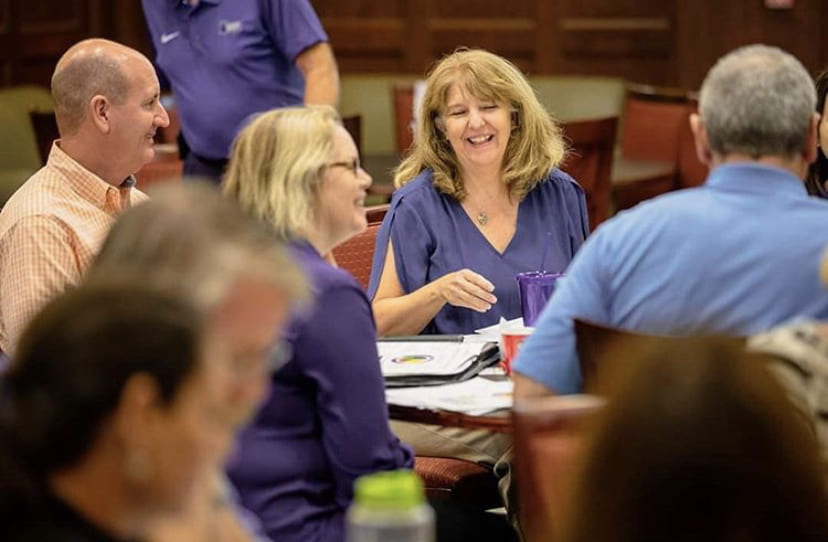
Throughout her career, Dr. Northrup has been recognized for her ability to connect innovation with practical improvement. However, she believes innovation is not simply about introducing new ideas or adopting the latest technology. True innovation happens when organizations create environments where people can explore, learn and improve together.
Her approach begins with curiosity. She encourages leaders and teams to ask meaningful questions about their current reality. What are we learning? What assumptions are influencing our decisions? What opportunities exist for improvement? How will we know whether our efforts are creating the desired impact?
These questions create a foundation for thoughtful innovation.
According to Dr. Northrup, organizations cannot improve if people are afraid to challenge existing approaches or share new perspectives. Innovation requires an environment where individuals feel comfortable testing ideas, learning from experiences and adjusting when necessary.
At the same time, she believes innovation must be connected to purpose and structure. Ideas alone do not create lasting change. Organizations need clear direction, measurable goals and processes that help teams understand whether their efforts are producing meaningful results.
This philosophy has shaped her work supporting education leaders through strategic planning, leadership development and continuous improvement efforts. Studer Education’s approach focuses on helping leaders strengthen systems, improve alignment and create sustainable practices that support long-term success.
Dr. Northrup believes the strongest organizations are those that become learning organizations themselves. They do not simply respond to challenges after they appear. They develop the ability to constantly observe, evaluate and improve. For her, continuous improvement is not another program added to an already demanding environment. It is a mindset that becomes part of an organization’s culture.
Leadership Rooted in Empathy, Communication and Trust
Behind every successful educational transformation are people, and Dr. Northrup believes effective leadership begins with understanding those people.
Empathy plays a critical role in how she approaches leadership. She believes leaders must take time to understand the experiences, challenges and perspectives of the individuals they serve.
However, empathy does not mean lowering expectations. Instead, she believes great leaders combine genuine care with accountability. People need support, but they also need clarity about goals, responsibilities and how their contributions connect to the larger mission.
Communication is one of the strongest tools leaders have for building trust. Dr. Northrup emphasizes that communication should not only flow from leaders to employees. Leaders must also create systems that allow them to listen and learn from others. The most effective leaders are those who ask thoughtful questions, listen carefully and take action based on what they hear.
This approach has remained consistent throughout her career. Whether working with students, educators, colleagues or executive teams, she believes relationships are the foundation of meaningful progress.
People are more willing to contribute, innovate and grow when they feel respected and valued.
Remaining Forward-Thinking in a Changing Educational Landscape
The education sector continues to experience significant transformation. Technology is reshaping learning environments, workforce expectations are evolving and institutions are being challenged to rethink how they prepare students for the future.
For Dr. Northrup, the answer begins with remaining a learner.
Curiosity has been the consistent thread throughout her professional journey. She continues to explore ideas beyond traditional education boundaries, learning from industries such as technology, business, design and workforce development.
She believes some of the most valuable insights come from looking beyond familiar environments and understanding how different sectors approach challenges, innovation and growth.
However, being forward-thinking does not mean following every new trend. For Dr. Northrup, it means having the discipline to understand meaningful change and determine how it can benefit learners. Education has many traditions that have served communities well, but leaders must continue asking whether existing approaches remain effective for today’s learners. The future belongs to organizations that can balance respect for past successes with the willingness to evolve.
Preparing Students and Educational Systems for the Future
The future of education will demand more than traditional measures of success. As industries evolve, technology advances and the expectations of society continue to shift, students must be prepared not only with knowledge but with the ability to adapt, communicate, collaborate and continue learning throughout their lives.
For Dr. Northrup, preparing students for the future begins with understanding what true readiness means. She believes knowledge will always remain essential, but it must be combined with curiosity, creativity, problem-solving skills and the confidence to navigate change.
Education cannot simply focus on what students know today. It must also prepare them for challenges that do not yet exist. The most successful learners of the future will be those who can approach uncertainty with confidence and continue developing throughout their personal and professional journeys.
This belief reflects the same philosophy that has guided Dr. Northrup’s own career. She has consistently embraced change, explored new possibilities and remained open to learning from different industries and disciplines. Her ability to connect ideas from technology, business, workforce development, design and education has allowed her to approach challenges from a broader perspective.
She believes educational institutions must also become adaptable learning organizations. Schools and universities cannot prepare students to embrace change if the systems supporting them are unwilling to evolve. For her, the future of education is not about replacing what has worked. It is about understanding what learners need now and designing systems that allow them to succeed in a changing world.
Her current work with education leaders reflects this approach. Through leadership coaching and strategic improvement initiatives, she supports leaders in building stronger systems, creating alignment and developing practices that help organizations achieve meaningful progress. Studer Education focuses on strengthening leadership capacity, improving organizational culture and helping education systems translate goals into sustainable action.
A Career Defined by Meaningful Milestones and Lasting Impact
When Dr. Northrup reflects on her career, she does not measure success only through titles, positions or professional achievements. Instead, she looks at the people, opportunities and systems that continued to grow because of the work she contributed.
Throughout her journey, she has been fortunate to participate in initiatives that expanded access to education and created new possibilities for learners. One of the milestones she values most was the opportunity to help create a university’s first online academic programs.
Building those programs required vision, collaboration and a willingness to explore a new direction for higher education. Working alongside university leadership and a dedicated team, she helped establish a foundation for online learning opportunities that would serve students beyond traditional geographic boundaries.
Her work later expanded into statewide initiatives supporting online education, career and technical education and course-sharing opportunities. These experiences allowed her to understand education from a broader policy and systems perspective while focusing on how institutions could better serve diverse learners.
She is especially proud of initiatives that supported students who may not have followed traditional educational pathways, including adult learners, military-connected students and individuals preparing for changing career environments.
However, among all the experiences throughout her career, one project remains particularly meaningful: the creation of the National Flight Academy at the National Naval Aviation Museum Foundation. For Dr. Northrup, this initiative represented the power of imagination, storytelling and immersive learning. The goal was to create an experience where students could step into an environment that transformed learning into an adventure.
The National Flight Academy brought together educators, designers, engineers, pilots and industry experts to create an immersive environment where students explored STEM concepts through hands-on experiences. For Dr. Northrup, it represented a new way of thinking about education and demonstrated how learning could become more engaging when connected to curiosity and real-world experiences.
The experience taught her valuable lessons about student engagement, curriculum design and the importance of creating learning environments that inspire imagination.
Yet, when she considers her greatest accomplishments, she returns again to people.
- The students who became leaders.
- The colleagues who grew into new opportunities.
- The organizations that became stronger.
- The leaders who discovered new confidence in their ability to influence others.
For Dr. Northrup, the strongest legacy a leader can leave is not something that exists only during their time of service. It is what continues growing after they move forward.
Navigating Challenges Through Resilience and Purpose
Every leadership journey includes moments of uncertainty. For Dr. Northrup, challenges became opportunities to develop resilience, perspective and deeper understanding of what leadership truly requires.
She believes one of the biggest misconceptions about leadership is that having a leadership title means having complete control. Experience teaches a different lesson. Even executive leaders operate within larger systems. They face external factors, organizational realities and circumstances that cannot always be changed.
Through these experiences, Dr. Northrup learned that leadership is not defined by authority alone. It is defined by influence, relationships, clarity and the ability to create movement even in complex situations.
She learned to ask important questions during challenging moments: What can I influence? Where can I create progress? What does this organization need from me right now? These questions helped her remain focused on purpose rather than becoming overwhelmed by circumstances.
She also learned that difficult periods do not necessarily represent failure. Some of the most challenging experiences can become the moments that shape leaders most deeply.
They teach humility. They develop patience. They strengthen values.
For Dr. Northrup, remaining connected to purpose has always been essential. Leadership requires the courage to make difficult decisions while staying aligned with personal principles and the greater mission of serving others.
Inspiring the Next Generation of Women Leaders
As a woman who has built an extensive leadership career in education, Dr. Northrup understands the importance of encouraging future generations of women leaders.
Her advice is rooted in experience: do not wait until you feel completely prepared.
Many opportunities in leadership arrive before confidence does. Growth comes from accepting challenges, asking questions and being willing to step into unfamiliar situations.
She encourages aspiring leaders to learn how organizations function beyond their own roles. Understanding the bigger picture helps leaders make better decisions and contribute more effectively. Mentorship has also played an important role throughout her career. She believes future leaders should seek guidance from people they respect, ask thoughtful questions and build relationships with individuals who will provide honest feedback and encouragement.
At the same time, she emphasizes the importance of developing an authentic leadership identity.
There is no single formula for successful leadership. People should learn from others but ultimately discover their own voice, perspective and approach.
Her own career is proof that leadership journeys are rarely predictable. She began as an elementary teacher without knowing that her path would eventually lead her through educational technology, university leadership, innovation initiatives, statewide responsibilities and executive coaching.
The opportunities came through curiosity, courage and a willingness to continue learning.
Her message to women leaders is clear: create opportunities not only for yourself but also for those who will follow.
A Legacy of Learning, Leadership and Possibility
As Dr. Northrup looks toward the future, her focus is not on the next title or position. Her focus is on contribution.
After decades of experience across education, technology, leadership development and organizational improvement, she continues to find purpose in helping others succeed. Her work today represents the combination of everything she has learned throughout her career. She brings together the perspective of a teacher, the mindset of an instructional designer, the experience of an executive leader and the curiosity of a lifelong learner.
She continues helping leaders better understand their organizations, develop their people and create systems where improvement becomes part of the culture.
When she thinks about legacy, she does not think first about programs, publications or accomplishments. She thinks about people.
- She hopes there are leaders who became more courageous because she believed in them.
- She hopes there are educators who became more curious because she encouraged them to ask better questions.
- She hopes there are organizations that became stronger because she helped leaders see new possibilities.
Her journey began with a simple curiosity inside a classroom. A teacher wanted to understand how education worked and how it could become better.
More than four decades later, that curiosity remains unchanged.
Pamela Taylor Northrup, Ph.D., continues to demonstrate that transformational leadership begins with the willingness to learn, the courage to innovate and the commitment to leave every person and organization better than it was before.
In an era where education faces constant change, her story serves as a reminder that the future belongs to leaders who continue asking questions, building connections and creating opportunities for others to succeed.



Leave a comment