





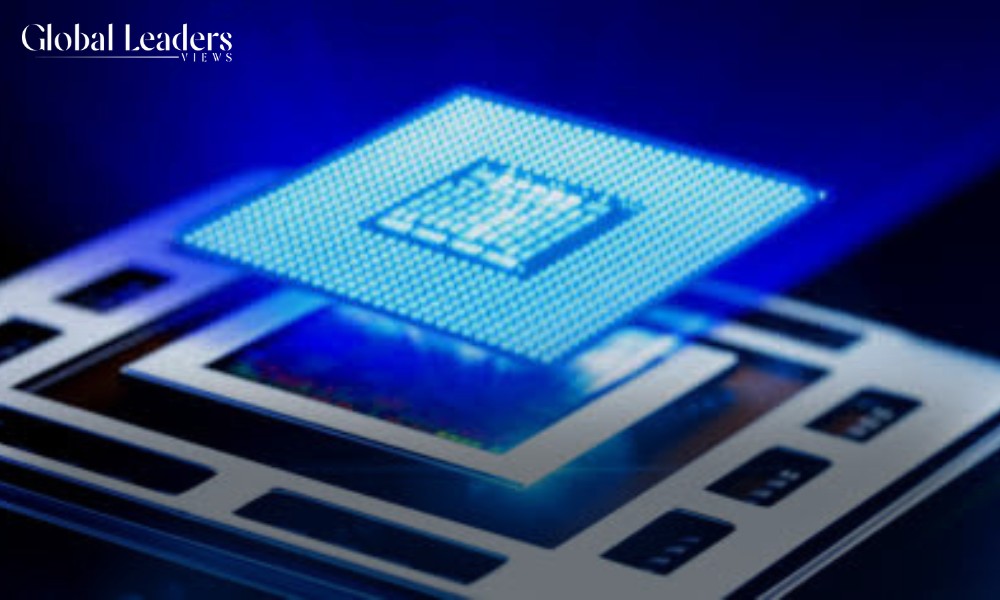
Semiconductor technology is becoming increasingly important as businesses invest in artificial intelligence (AI), cloud computing, automation, and connected devices. From advanced processors to energy-efficient chips, new developments are changing how modern hardware is designed, manufactured, and used.
In 2026, the semiconductor industry continues to grow as demand for AI chips, advanced memory, and high-performance computing increases. These developments are encouraging manufacturers to improve chip performance, energy efficiency, and production capabilities to meet the changing needs of global technology markets.
1. AI-Powered Semiconductor Chips
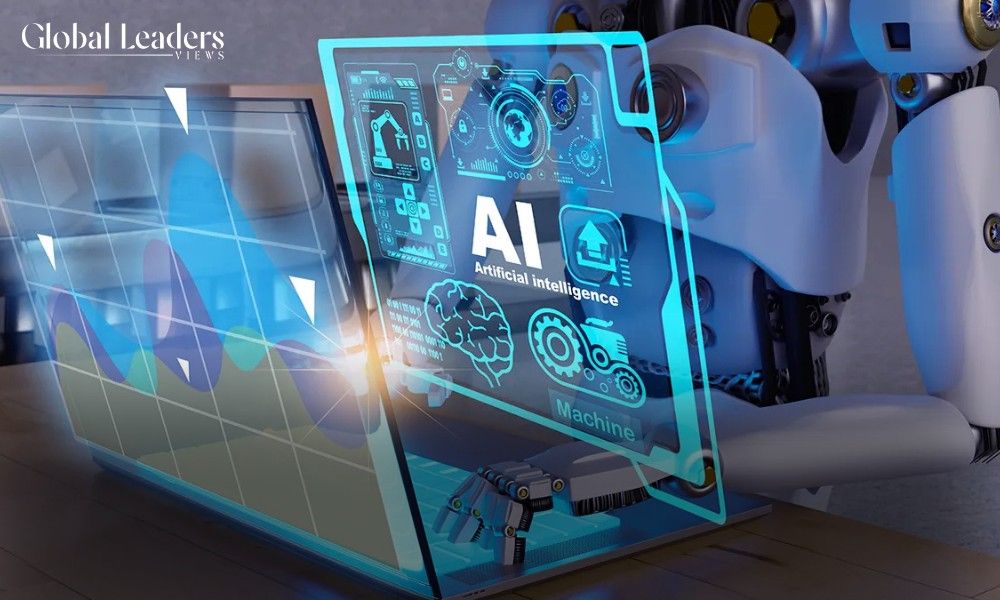
AI chips are designed to handle demanding tasks such as machine learning, data analysis, and generative AI. Technology companies are developing specialized processors to improve performance and process large amounts of information more efficiently.
2. Advanced Chip Manufacturing
Manufacturers are advancing smaller process technologies to improve transistor density, performance, and power efficiency. These developments support next-generation processors for AI systems, smartphones, and high-performance computing.
3. Chiplet-Based Architecture
Chiplets divide a processor into smaller components that can be designed and integrated together. This approach gives hardware developers more flexibility to combine different computing functions while managing design complexity and manufacturing costs.
4. Advanced Semiconductor Packaging
Advanced packaging connects multiple chips within a single package. Technologies such as 2.5D and 3D integration help improve communication between processors and memory, making them important for demanding AI and computing applications.
5. High-Bandwidth Memory
High-bandwidth memory (HBM) allows large volumes of data to move quickly between memory and processors. As AI workloads expand, HBM is becoming a critical component in data centers and advanced computing systems.
6. Energy-Efficient Hardware
Power consumption is a growing concern for data centers, businesses, and consumer electronics. Semiconductor designers are focusing on efficient chip architectures that deliver strong performance while reducing energy use and heat generation.
7. Silicon Photonics and Optical Connectivity
Silicon photonics uses light to transmit data in specialized computing and networking systems. It has growing potential to support faster, more energy-efficient connections in data centers as demand for AI infrastructure increases.
8. Automotive Semiconductor Innovation
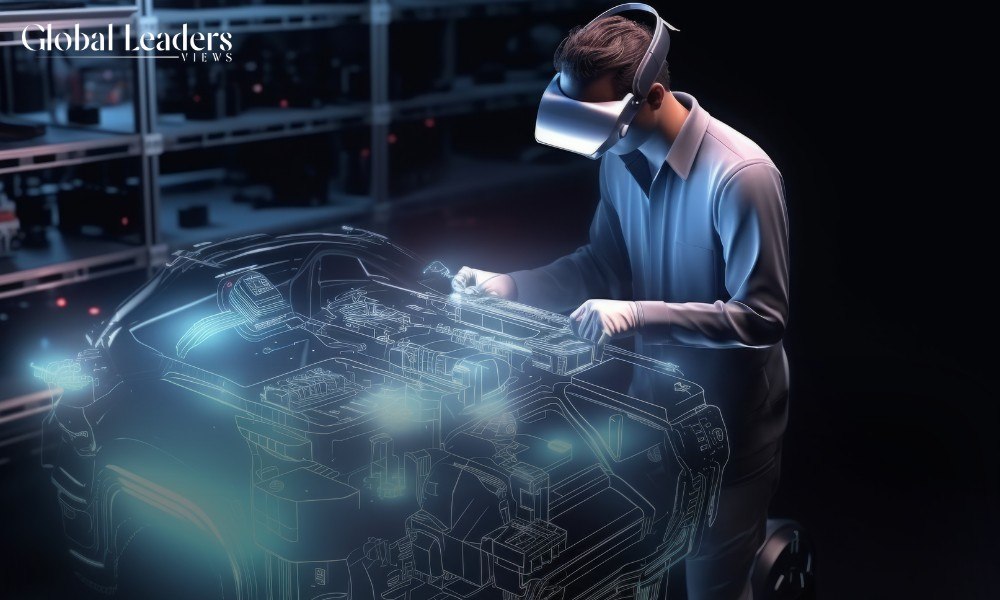
Modern vehicles rely on chips for driver-assistance systems, electric power management, infotainment, and automated driving features. Advances in automotive semiconductors are helping manufacturers develop smarter and more connected vehicles.
9. AI-Driven Semiconductor Manufacturing
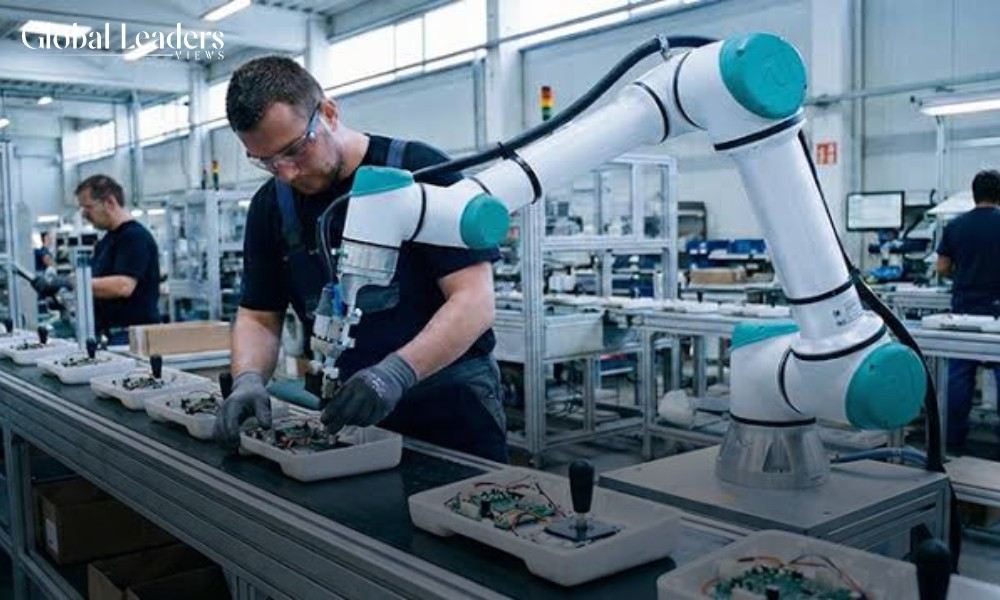
Semiconductor factories are increasingly exploring AI-powered inspection, predictive maintenance, and automated production monitoring. These tools can help identify defects, improve manufacturing consistency, and reduce equipment downtime.
10. Semiconductor Supply Chain Resilience
Global demand for advanced chips has increased the importance of reliable manufacturing and supply networks. Companies are investing in production capacity, regional manufacturing, and supplier partnerships to reduce disruptions and support long-term growth.
Why Do Semiconductor Trends Matter in 2026?
Semiconductor innovation influences nearly every major technology sector, from healthcare and telecommunications to automotive manufacturing and enterprise computing. Businesses that understand these trends can make better decisions about hardware investments, product development, and digital infrastructure.
However, progress also brings challenges, including high manufacturing costs, complex production requirements, energy demands, and supply constraints. Addressing these issues will be essential to making advanced hardware more accessible and reliable.
The Future of Semiconductor and Hardware Innovation
The semiconductor industry is moving beyond simply making smaller chips. In 2026, innovation increasingly depends on combining specialized processors, advanced memory, efficient packaging, and intelligent manufacturing.
As AI and digital infrastructure continue to evolve, semiconductor and hardware innovation will remain central to building faster, smarter, and more energy-efficient technology. Companies that adapt to these developments will be better positioned to meet changing market demands and future computing needs.
Global Leaders Views explores emerging technology trends and business innovations shaping the future of semiconductors, hardware, and global industries.













Leave a comment